No-Contractor Lighting Upgrades Under $50 That Make a Room Look Expensive
Budget-friendly lighting upgrades under $50 that improve rooms without rewiring, including better LED bulbs, plug-in task lights, strips, dimmers, and buyer mistakes to avoid.

Lighting upgrades under $50 can change a room faster than most decor purchases because light affects everything else: wall color, furniture texture, shadows, glare, and how comfortable the room feels at night. The trick is to spend the money where the room is actually failing. A cheap lamp in the wrong corner will not help. A better bulb, plug-in task light, warm LED strip, or small control upgrade in the right spot can make the same room feel calmer, cleaner, and more expensive without calling a contractor.
The best no-contractor upgrades are reversible and simple: replace bad bulbs with better LEDs, add light where work happens, soften harsh overhead fixtures, use plug-in or battery lights for dark zones, and hide visible glare. You do not need new wiring to make a living room warmer, a kitchen counter easier to use, a bedroom softer, or a hallway safer.
[ENERGY STAR](https://www.energystar.gov/products/lighting_fans/light_bulbs) recommends comparing bulbs by lumens, color appearance, lifetime, and tested performance, not by old wattage habits alone. The [U.S. Department of Energy](https://www.energy.gov/energysaver/led-lighting) notes that LEDs use much less energy and last longer than incandescent lighting, which makes them a strong first upgrade for high-use rooms. The [IEEE 1789 recommended practice](https://standards.ieee.org/ieee/1789/6180/) is worth knowing because cheap drivers and poor dimming compatibility can create flicker, shimmer, or eye strain even when the room looks bright.
Start With the Worst Light in the Room
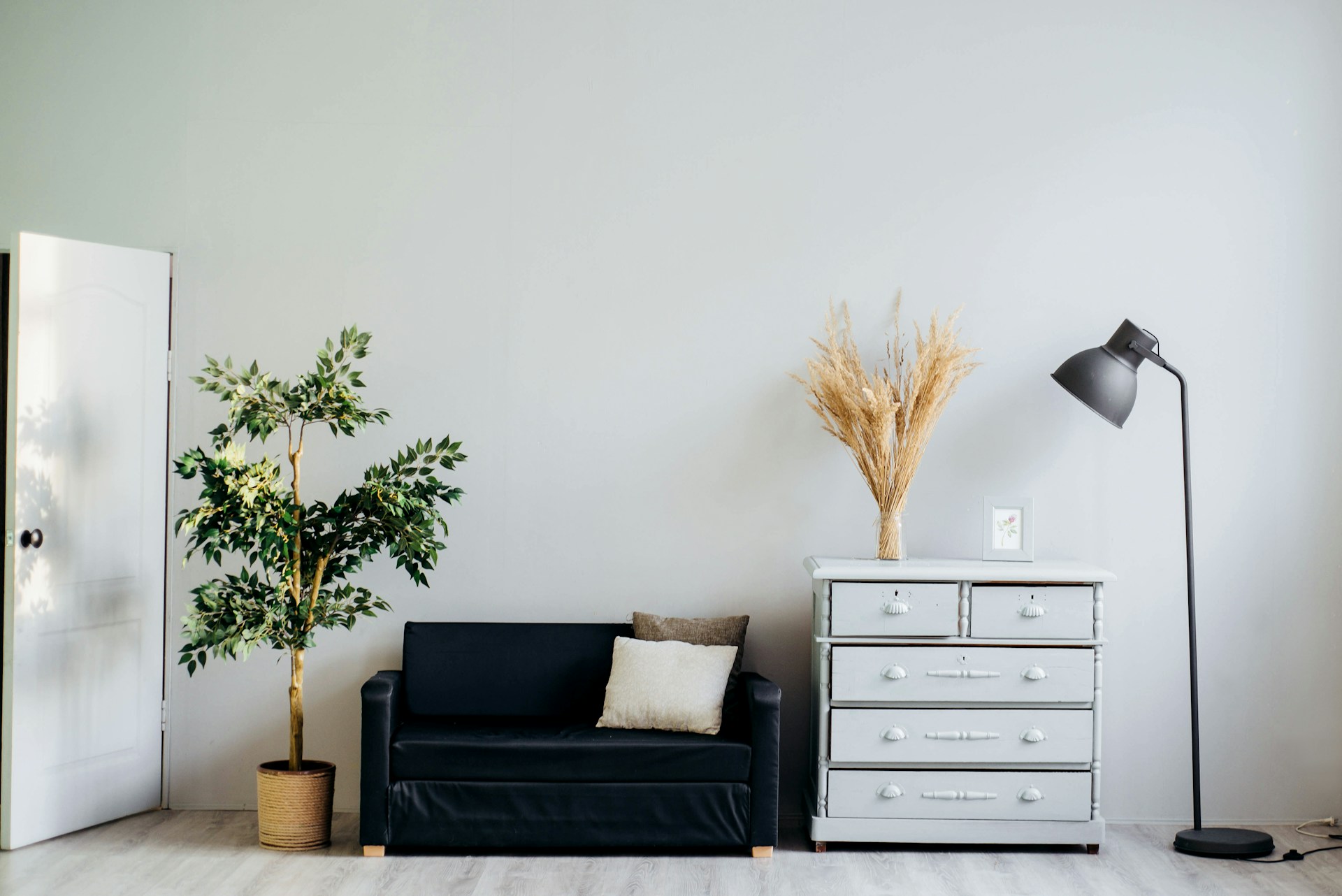
Before buying anything, turn on the room at night and look for the one problem that bothers you most. Is the ceiling light too harsh? Is the reading chair dim? Does the kitchen counter fall into shadow? Is the hallway gloomy? Does the bedroom feel cold because every bulb is too blue? A $50 budget works when it solves one problem clearly.
Walk through the room with the current lights on. Look at faces in the mirror, counters where you work, stairs where safety matters, seating areas, and corners that disappear after sunset. If the room looks flat, it probably needs layers. If it looks harsh, it probably needs lower glare and warmer color. If it looks gloomy, it may need more lumens in the right place rather than one brighter bulb in the ceiling.
For older homes, check compatibility before buying a pile of bulbs. Our guide to [budget LED lighting upgrades in older homes](/blog/budget-led-lighting-upgrades-older-homes) explains why enclosed fixtures, old dimmers, and mixed bulb types can create problems that cheap multipacks do not solve.
Upgrade Bulbs by Lumens, Color, and Fixture Rating
The easiest win is replacing poor bulbs with better LEDs. But better does not always mean brighter. A living room with cold 5000K bulbs may need warmer 2700K or 3000K bulbs, not more output. A bathroom vanity may need high color rendering and even placement. A garage may need higher lumens and a cooler task-lighting feel.
Use lumens for brightness. Use Kelvin for color appearance. Use fixture rating for safety and reliability. A common mistake is putting a cheap LED bulb inside an enclosed glass dome when the bulb is not rated for enclosed fixtures. Heat builds up, the driver ages faster, and the bulb may flicker or fail early.
For most living rooms and bedrooms, 2700K to 3000K feels comfortable. Kitchens often work well at 3000K to 3500K. Garages, laundry rooms, and utility zones can use 4000K if the goal is clear task visibility. Avoid mixing random color temperatures in one room unless there is a deliberate reason.
Add Plug-In Task Lighting Where Work Happens
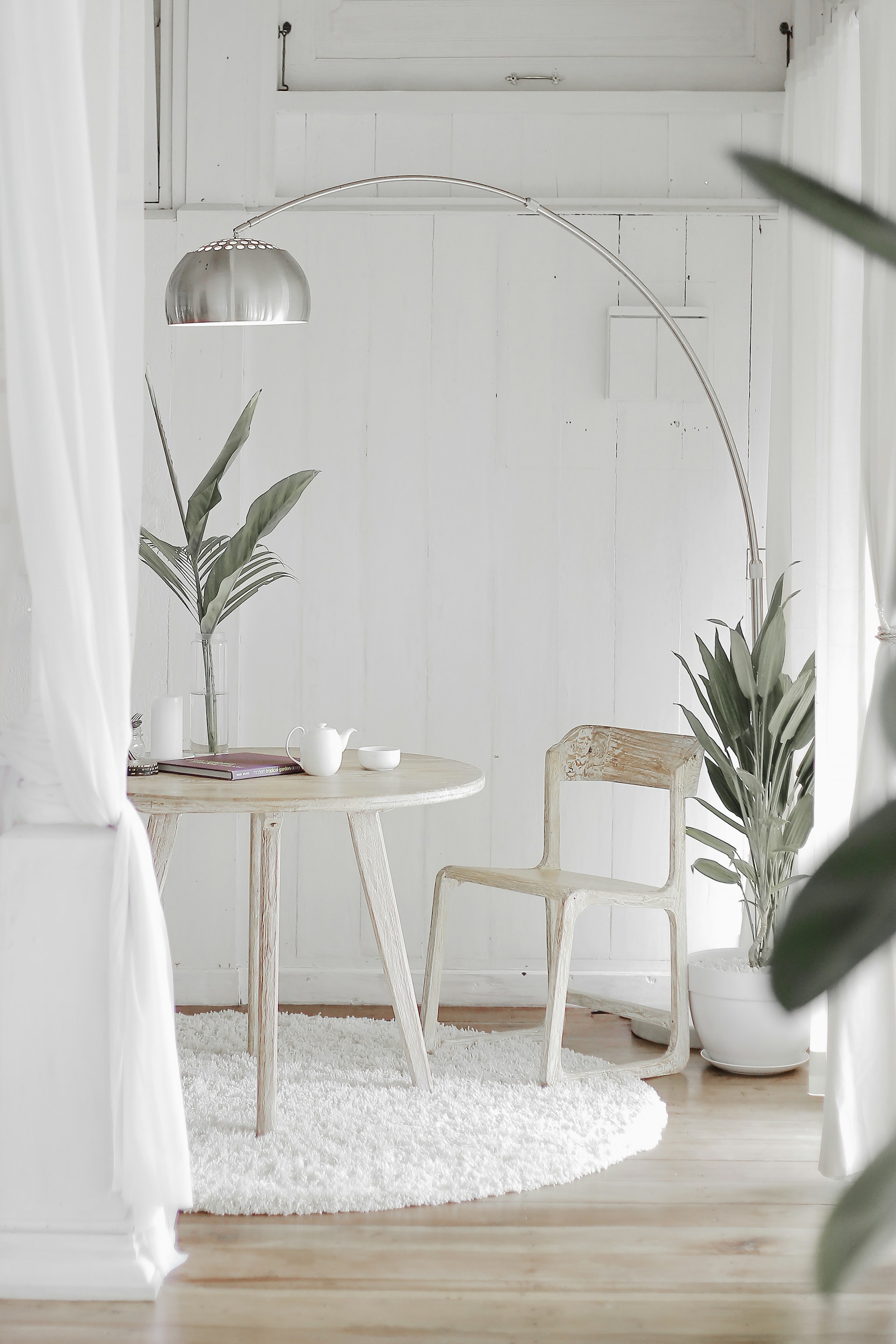
Task lighting is often the most expensive-looking upgrade because it puts light exactly where the room needs it. A plug-in under-cabinet bar can make a kitchen counter look cleaner. A small lamp beside a reading chair can make the living room feel finished. A plug-in picture light or shelf light can turn a dark wall into a focal point.
Under $50, prioritize one high-use zone. If the kitchen prep counter is dark, buy a diffused plug-in LED bar instead of decorative bulbs. If the desk is shadowy, add a focused lamp. If the bedroom only has a ceiling fixture, add a warm bedside lamp or wall-mounted plug-in sconce.
The key is glare control. Visible LED dots and exposed bright strips usually look cheap. Diffusers, shades, cabinet lips, and hidden placement make inexpensive products feel more polished. For kitchens specifically, compare the approach in our guide to [budget kitchen lighting upgrades under $100](/blog/budget-kitchen-lighting-upgrades-under-100).
Use LED Strips Carefully
LED strips can look premium or painfully cheap depending on placement. They work best when the strip itself is hidden and the light washes across a surface. Good locations include the back edge of a shelf, under a cabinet lip, behind a headboard, inside a closet, or under a floating vanity. Bad locations include anywhere the bare dots are visible from normal eye level.
If the budget allows, use an aluminum channel with a diffuser. If not, at least place the strip where the diodes are concealed. Choose warm white for bedrooms and living spaces. Avoid using color-changing strips as the main white light unless the white mode is actually good. Many budget RGB strips make poor task lights and strange-looking whites.
Measure before ordering. Check the outlet location, cord path, switch access, and whether the adhesive will stick to the surface. Clean the surface first and use clips where heat, texture, or humidity may weaken the adhesive. A strip falling down after a week ruins the whole effect.
Replace a Harsh Shade or Add a Diffuser
Sometimes the bulb is fine and the fixture is the problem. Clear glass, bare bulbs, exposed strips, and open sockets can create glare that makes a room feel cheaper even when the product is new. A simple shade, diffuser, frosted bulb, or lower-lumen lamp can soften the light immediately.
For table lamps, try a warmer bulb and a shade that hides the bulb from seated eye level. For exposed fixtures, use frosted or filament-style LEDs that reduce glare. For ceiling lights, check whether the fixture accepts a lower-glare bulb shape or whether the existing cover needs cleaning. Dust and yellowed plastic can make even good LEDs look dull.
In bathrooms, do not chase brightness only. Vanity lighting should reduce shadows on the face. If you cannot replace the fixture, matching warm-neutral LED bulbs and keeping output even across all sockets can still improve the look.
Add Simple Controls, But Avoid Dimmer Surprises
Controls can make a room feel more finished. A plug-in timer can handle a dark hallway lamp. A smart plug can schedule a floor lamp. A motion puck light can fix a closet. A remote-controlled plug can make a hard-to-reach lamp usable again.
Dimmers are more complicated. A $20 to $35 LED-compatible dimmer can be a good upgrade if the fixture, bulbs, wiring, and circuit are appropriate. But old dimmers are also a common cause of flicker. Do not add a dimmer to non-dimmable bulbs. Do not mix several random bulb models on one dimmed fixture. If lights already shimmer or blink, troubleshoot first.
For symptoms that appear after months of normal use, read [LED bulbs flickering after a year](/blog/led-bulbs-flickering-after-a-year-diy-fixes) before replacing everything. Flicker often points to dimmer mismatch, heat, loose connections, or driver quality, not just a bad bulb.
Best $50 Upgrade Plans by Room
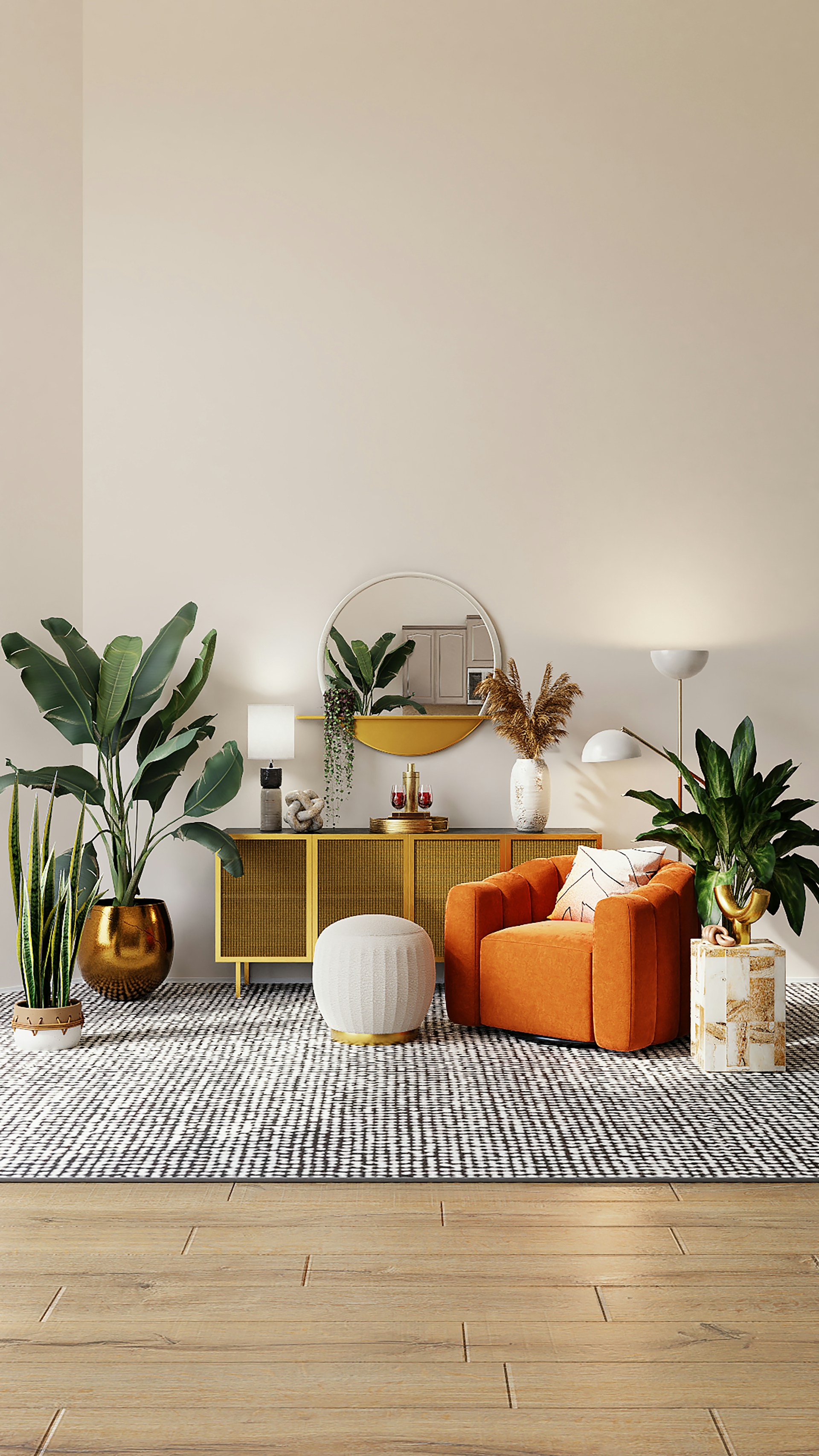
For a living room, spend the budget on two warm LED bulbs for lamps, one plug-in smart control if useful, and a better shade or small accent lamp. The goal is layered light at seated height, not a brighter ceiling.
For a kitchen, put most of the money into one diffused under-cabinet light bar for the main prep counter. If there is money left, match the ceiling bulbs to the same color family so the room does not look patched together.
For a bedroom, use warm bulbs, bedside lamps, or a hidden LED strip behind a headboard. Avoid harsh blue-white bulbs and exposed bright strips. A bedroom should be easy to wind down in, not lit like a utility room.
For a hallway or entry, use a warmer brighter bulb in the fixture, add a plug-in lamp where possible, or install a motion night light. Safety and first impression matter more than decorative effects.
For a garage or laundry area, spend the budget on higher-output LED shop lighting or better task bulbs rated for the fixture. This is one place where neutral or cooler light can make sense.
What Cheap Lighting Products to Avoid
Avoid no-name bulbs with unclear safety listings, unrealistic lifetime claims, or missing dimming information. Avoid strips with visible dots in main living areas unless you can hide them. Avoid bargain smart bulbs if they require a sketchy app, have poor support, or force basic lighting through a phone-only workflow.
Avoid buying one giant multipack for the whole house before testing one room. Different rooms need different brightness, color, beam spread, and fixture ratings. A bulb that looks good in a lamp may be wrong for a ceiling dome, bathroom vanity, or porch fixture.
Also avoid upgrades that create cord problems. Plug-in lights are useful, but cords should not cross sinks, stoves, walkways, drawers, or hot appliances. A cheap product becomes a bad purchase if the installation looks messy or unsafe.
Bottom Line
Lighting upgrades under $50 work when they are specific. Start with the room's most obvious failure: harsh overhead light, dark task zones, cold color, visible glare, or forgotten lights that stay on too long. Choose LEDs by lumens, color temperature, fixture rating, and compatibility. Hide strips, diffuse task lights, soften exposed bulbs, and use simple controls only where they make daily life easier.
The best no-contractor lighting upgrade is not the flashiest product. It is the small change that makes the room look intentional every night.
Sources
- [ENERGY STAR: Light Bulbs](https://www.energystar.gov/products/lighting_fans/light_bulbs)
- [U.S. Department of Energy: LED Lighting](https://www.energy.gov/energysaver/led-lighting)
- [IEEE Std 1789-2015: Recommended Practices for Modulating Current in High-Brightness LEDs](https://standards.ieee.org/ieee/1789/6180/)
Frequently Asked Questions
What lighting upgrade under $50 makes the biggest difference?
For most rooms, the biggest difference comes from adding task or accent light where the room is dark, then matching bulb color temperature. In kitchens, that often means an under-cabinet LED bar. In living rooms, it often means warmer lamps at seated height.
Can I make a room look better without rewiring?
Yes. Better LED bulbs, plug-in lamps, plug-in light bars, smart plugs, battery puck lights, and hidden LED strips can all improve a room without opening walls or changing electrical boxes.
What color LED bulb makes a room look expensive?
Most living rooms and bedrooms look better with 2700K to 3000K LEDs. Kitchens often look good around 3000K to 3500K. Consistency matters as much as the exact number, so avoid mixing very warm and very cool bulbs in the same room.
Are cheap LED strips worth buying?
They can be worth it if the strip is hidden, the color looks good, and the power supply is appropriate. They usually look cheap when bare diode dots are visible or when the strip is used as the main room light.