Budget LED Upgrades for 2026: Warm Dimmable Bulbs, Wireless Lamps, and DIY Linear Lighting
A practical 2026 guide to budget LED upgrades that actually improve a room: warm dimmable bulbs, rechargeable wireless lamps, diffused DIY linear lighting, and simple controls.

Budget LED upgrades in 2026 are less about buying the brightest bulb and more about fixing the way a room feels: glare, flat overhead light, dark counters, harsh white strips, and lamps that are either fully on or fully off. The good news is that the best improvements are still inexpensive. Warm dimmable bulbs, rechargeable wireless lamps, and simple DIY linear lighting can make a room look calmer, cleaner, and more expensive without rewiring the house.
The key is choosing upgrades that solve a real lighting problem. A $12 bulb that dims smoothly in the bedroom is worth more than a $60 color-changing strip you never use. A $30 wireless lamp in the right dark corner can feel like a design upgrade. A $45 LED channel with a diffuser can make budget strip lighting look built in instead of stuck on.
According to [ENERGY STAR](https://www.energystar.gov/products/lighting_fans/light_bulbs), certified LED bulbs use far less energy than incandescent bulbs and are tested for performance factors like color quality and longevity. The [U.S. Department of Energy](https://www.energy.gov/energysaver/lighting-choices-save-you-money) also points to lighting as one of the simplest efficiency upgrades because you can improve comfort fixture by fixture. Here is how to spend a small budget where it actually shows.
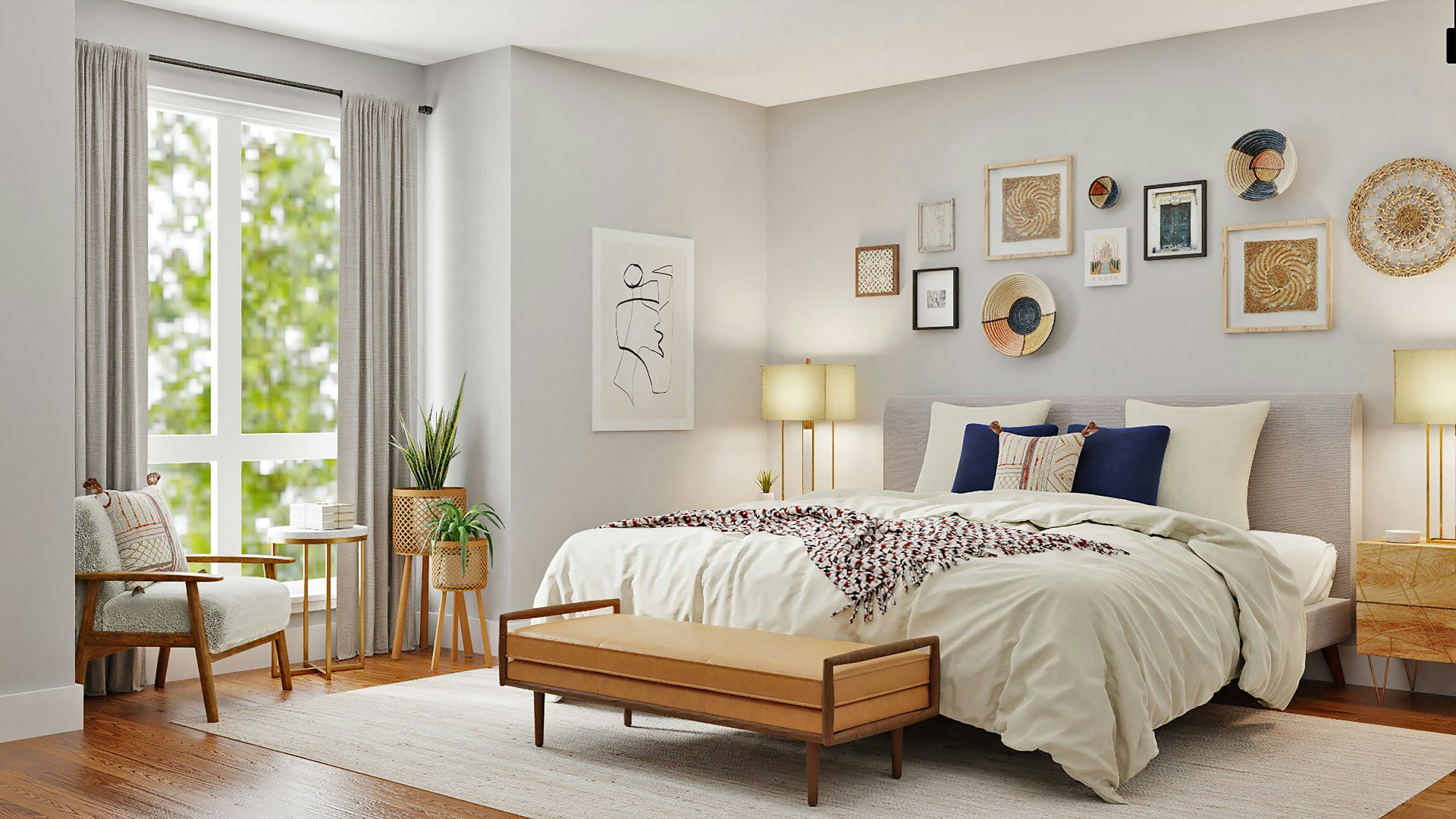
Start With the Lighting Problem, Not the Product
Before buying anything, walk through the room at night and identify what feels wrong. Most budget lighting problems fall into five categories:
- The room has one harsh overhead light and no softer layers.
- The color temperature is inconsistent from lamp to lamp.
- Work surfaces are shadowed because light is behind you.
- LED strips are visible, dotted, or too blue-white.
- Corners feel dark, making the room look smaller.
Once you know the problem, the product choice becomes obvious. If the room feels harsh, buy warmer dimmable bulbs. If the kitchen counters are shadowed, add under-cabinet task lighting. If the living room feels flat, add one low-glare accent source. If the bedroom is too bright at night, prioritize dimming over raw brightness.
This is where many budget upgrades fail. People buy more lumens when they actually need better placement. They buy RGB color features when they really need warm white. They buy cheap tape lights and leave the diodes visible, then wonder why the result looks temporary.
Upgrade 1: Warm Dimmable Bulbs in the Lights You Use Most
The fastest win is replacing the bulbs you use every day with consistent warm dimmable LEDs. Focus on lamps, bedrooms, living rooms, dining areas, and hallways first. These are the spaces where comfort matters more than maximum brightness.
For most homes, start with:
2700K for bedrooms, living rooms, and evening lamps
3000K for kitchens, bathrooms, and general-purpose fixtures
4000K only for garages, laundry rooms, closets, or task-heavy spaces
Do not mix 2700K, 4000K, and 5000K bulbs in the same room unless you are intentionally zoning task light from ambient light. Random color temperature mixing makes even expensive furniture look off.
Dimming is the real upgrade. A dimmable 2700K LED in a bedside lamp can be bright enough for reading at 8 PM and soft enough for winding down at 11 PM. If you rent or do not want to replace wall switches, use smart dimmable bulbs or plug-in dimmer modules. If you own the home, an LED-compatible wall dimmer is one of the highest-impact upgrades under $25.
Watch for flicker when dimming. Poor LED drivers can shimmer at low brightness or feel visually uncomfortable. The [IEEE 1789 recommended practice](https://standards.ieee.org/ieee/1789/6180/) covers flicker and temporal light modulation because not all LED dimming is equally comfortable. You do not need lab equipment, but you should test the bulb at low output. If it pulses, buzzes, or feels tiring, return it.
For room-by-room Kelvin choices, see our [LED color temperature guide](/blog/led-color-temperature-guide).
Upgrade 2: Wireless Lamps for Dark Corners and Rentals
Rechargeable wireless lamps have improved enough that they are now practical for specific rooms. They are not a replacement for whole-room lighting, but they are excellent for places where a cord would ruin the look or where no outlet exists.
Best uses include:
- A dining table centerpiece lamp
- A bookshelf or built-in shelf
- A bathroom counter accent lamp away from splash zones
- A hallway console table
- A rental kitchen corner with no under-cabinet wiring
- A patio table used for evening meals
The best wireless lamps are not the brightest ones. Look for warm output, stable dimming, good diffusion, and a base that will not tip easily. A lamp that runs 8 to 12 hours at a low setting is more useful than one that advertises huge brightness but dies after two hours.
Choose 2700K to 3000K for decorative wireless lamps. Avoid cool daylight versions for living spaces because they tend to look like emergency lights rather than ambiance. If the lamp will sit near faces, prioritize a frosted shade and low glare.
Wireless lamps are also a smart rental upgrade. They add a lighting layer without drilling, wiring, or fighting old switch locations. Pair one wireless lamp with warm bulbs in the existing fixtures and the room immediately feels more intentional.
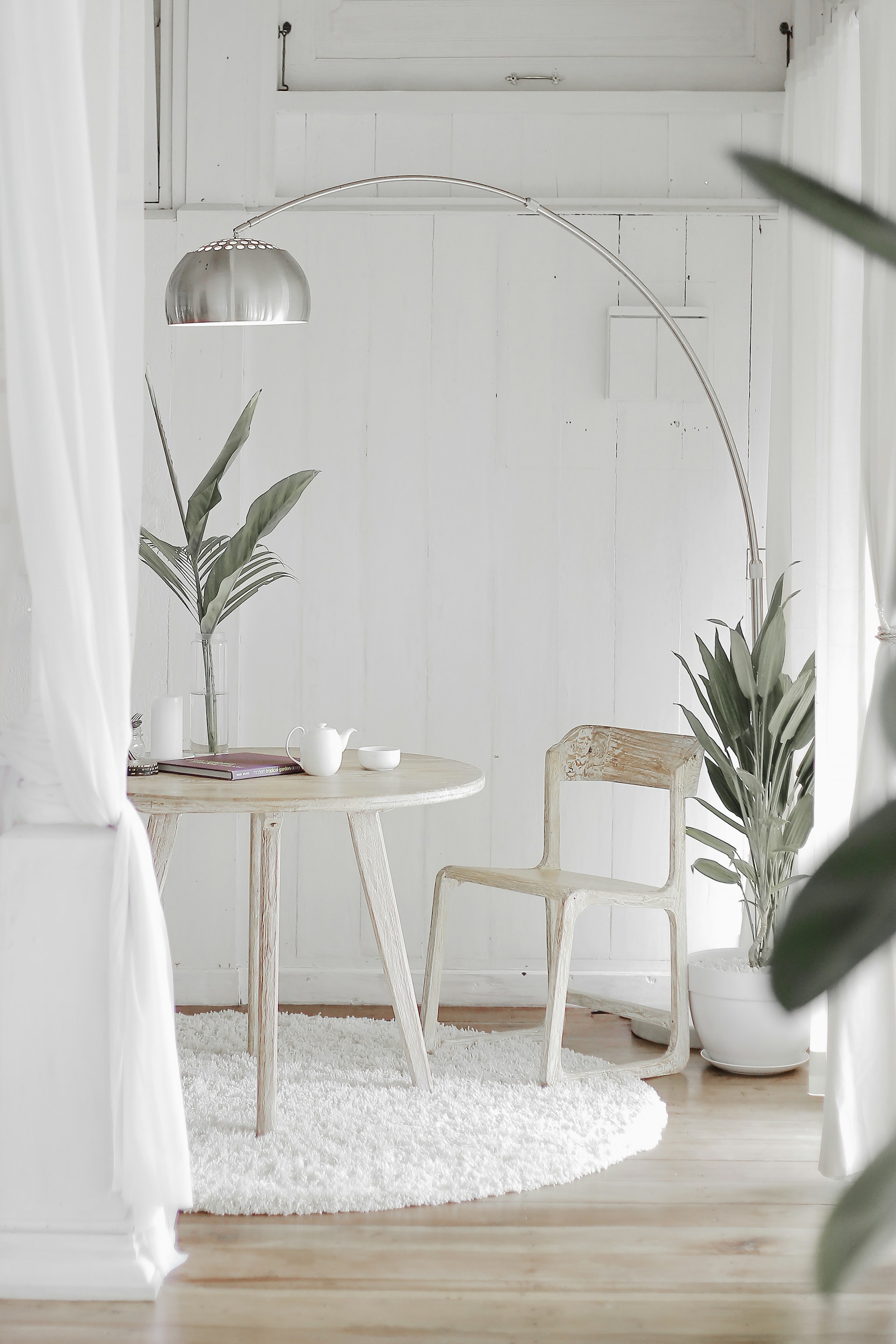
Upgrade 3: DIY Linear Lighting That Does Not Look Cheap
Linear lighting is the budget upgrade with the biggest visual upside. LED strips can create a soft architectural glow under cabinets, behind TVs, along shelves, inside closets, under beds, or above crown molding. But there is one rule: hide the source.
Bare LED tape almost always looks cheap when the diodes are visible. The fix is simple: use aluminum channels with frosted diffusers. The channel keeps the strip straight, helps manage heat, protects the tape, and makes the light look like a clean line instead of a row of dots.
Good beginner locations:
- Behind a TV for bias lighting
- Under floating shelves
- Under kitchen cabinets
- Inside a pantry or closet
- Behind a headboard
- Along a desk back edge
- Under a bathroom vanity toe-kick
For most short DIY runs, 12V LED strips are fine. For longer runs, 24V strips reduce voltage drop and keep brightness more consistent from one end to the other. Always match the power supply to the strip voltage and leave headroom. A driver running at its limit may run hot and fail early.
Color temperature matters here too. Use 2700K to 3000K for bedrooms and living rooms. Use 3000K to 4000K under kitchen cabinets, depending on whether you want a warm residential feel or cleaner task light. For counters, choose 90+ CRI when possible so food, tile, and wood tones look natural.
If you are doing a kitchen project, read our [under-cabinet LED DIY installation guide](/blog/under-cabinet-led-lighting-diy-installation-2026) before buying strips or bars.
Upgrade 4: Better Controls Before More Fixtures
One mistake homeowners make is adding more lights when the existing lights simply need better control. Dimmers, timers, motion sensors, and smart plugs can make budget LEDs feel more polished.
Use dimmers in bedrooms, dining rooms, living rooms, and bathrooms. Use motion sensors in closets, pantries, laundry rooms, garages, and utility spaces. Use smart plugs for lamps that are awkward to reach. Use schedules for porch lights and entry lights.
Controls also save energy because lights are less likely to stay on when nobody needs them. LEDs already use much less power than incandescent bulbs, but the cheapest watt is still the one you do not use. ENERGY STAR-certified bulbs paired with good controls give you both comfort and efficiency.
The one caution: compatibility. Not every LED works with every dimmer. If you install a wall dimmer, check the bulb or fixture compatibility list. If a dimmer causes flicker, buzzing, delayed startup, or lights that never fully turn off, switch to a better matched bulb/dimmer combination.
What to Buy With Different Budgets
If you have $25, replace the main bulbs in one room with warm dimmable LEDs. Keep the color temperature consistent and prioritize the fixtures used most often.
If you have $50, add one layer: a wireless lamp, TV bias lighting, under-shelf strip, or under-cabinet bar. Spend a few dollars on clips, cable hiding, or a diffuser so the install looks finished.
If you have $100, combine three upgrades: consistent bulbs, one dimming/control improvement, and one linear or wireless accent. This is usually enough to transform a bedroom, living room, kitchen corner, or rental dining area.
If you are trying to stretch every dollar, our guide to [$100 LED upgrade projects](/blog/100-led-upgrade-projects-small-diy-swaps) gives more room-specific combinations.
Common Budget LED Mistakes to Avoid
The first mistake is buying the cheapest multipack without checking color temperature, CRI, dimming, and fixture compatibility. Cheap bulbs are fine for closets. They are not always fine for the kitchen, bedroom, or bathroom mirror.
The second mistake is using daylight bulbs everywhere. 5000K may be useful in a garage or workbench area, but it usually feels harsh in living spaces. Warm light is not less modern. Used correctly, it is what makes a room feel comfortable.
The third mistake is leaving cables visible. A $20 LED strip with clean cable management looks better than a $100 strip with wires hanging below the shelf. Buy adhesive clips, raceway, or channels before you buy more features.
The fourth mistake is using LED strips as the only light source. Strips are best as accent or task layers. Rooms still need ambient light from lamps, ceiling fixtures, pendants, or wall lights.
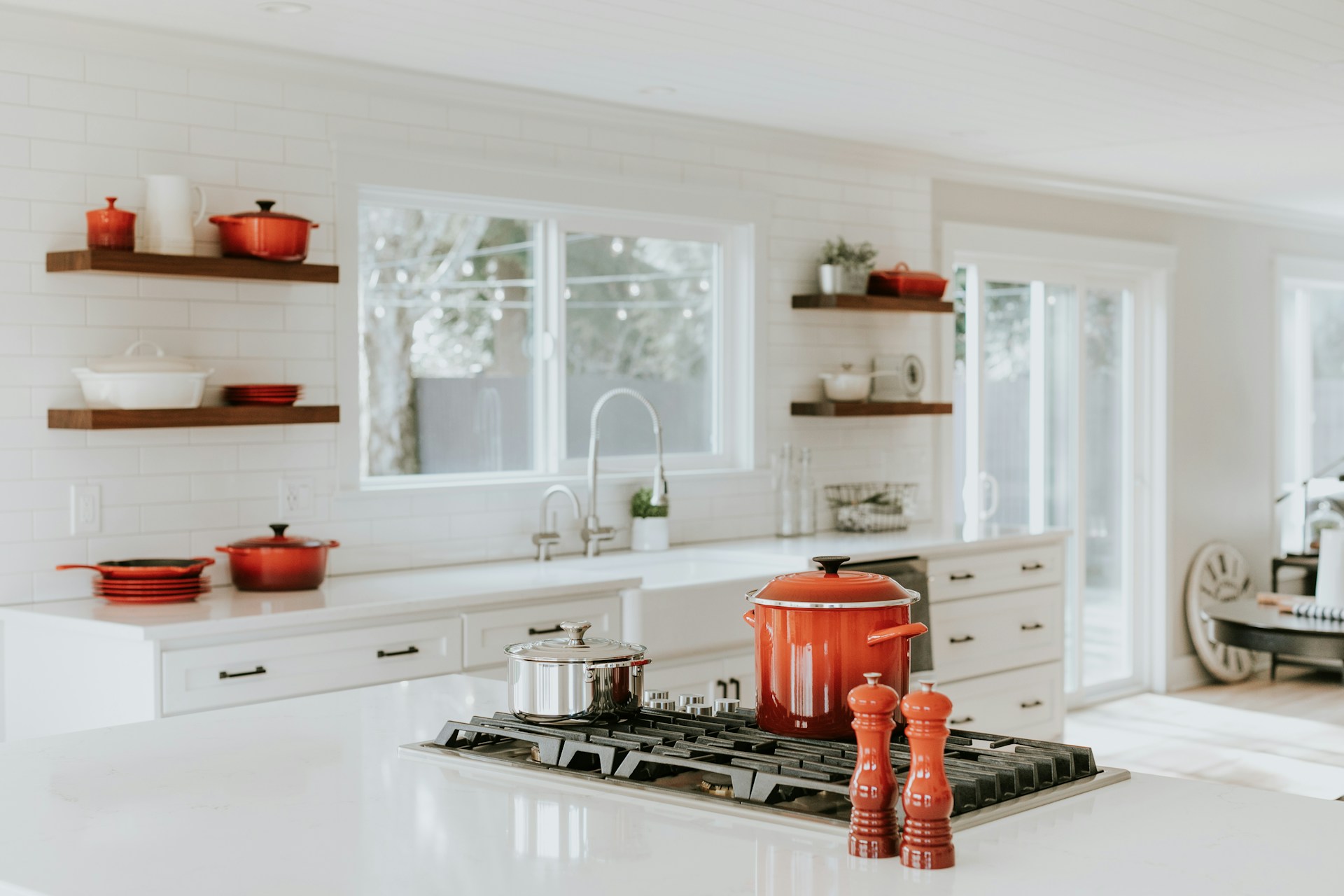
The Bottom Line
The best budget LED upgrades for 2026 are practical, warm, dimmable, and well placed. Start with the bulbs and fixtures you use every day. Add one wireless lamp where an outlet is missing. Use linear LEDs only when you can hide or diffuse the source. Then improve controls so the room adapts to morning tasks, evening routines, and late-night low light.
You do not need expensive fixtures to make lighting look designed. You need consistent color temperature, comfortable dimming, hidden glare, and clean installation. That is where budget LEDs punch far above their price.
---
Frequently Asked Questions
Which budget LED upgrades make the biggest visual difference?
Warm dimmable bulbs, under-cabinet task lighting, TV bias lighting, wireless accent lamps, and diffused LED strips usually create the biggest visible improvement for the lowest cost.
Are rechargeable wireless lamps practical for everyday use?
Yes, if you use them as accent or dining light rather than the main room light. Choose warm color temperature, good diffusion, and a battery runtime that fits your routine.
How do I make DIY LED strip lighting look less cheap?
Hide the strip, use aluminum channels with frosted diffusers, match the color temperature to the room, choose the right power supply, and hide the cables. Visible dots and dangling wires are what make strips look cheap.
Should I buy smart bulbs or regular dimmable LEDs first?
Buy regular dimmable LEDs first if you only need better light quality. Buy smart bulbs when you want app control, schedules, voice control, or dimming without replacing the wall switch.