$100 LED Upgrade Projects: Small DIY Swaps That Make a Big Difference
Seven practical budget LED upgrade ideas under $100, including bulbs, under-cabinet lighting, smart dimming, TV bias lighting, bathroom fixes, motion lights, and outdoor security upgrades.

You do not need a whole-home renovation to make lighting feel better. A smart $100 LED upgrade can make a kitchen easier to cook in, a bedroom calmer at night, a garage safer to work in, or a rental feel more finished without touching the wiring.
The trick is choosing projects where a small change solves a real lighting problem: glare, dark corners, mismatched color temperature, wasted electricity, or fixtures that make everything look flat. LEDs are ideal for these upgrades because they use less power, run cooler than older bulbs, and come in shapes that work in places old lamps never did.
According to [ENERGY STAR](https://www.energystar.gov/products/lighting_fans/light_bulbs), certified LED bulbs use up to 90% less energy than incandescent bulbs and can last many times longer. The [U.S. Department of Energy](https://www.energy.gov/energysaver/lighting-choices-save-you-money) makes the same practical point: lighting is one of the easiest home efficiency upgrades because you can improve comfort and reduce wasted electricity fixture by fixture.
Here are the budget LED upgrade ideas that usually deliver the biggest visible improvement for under $100.
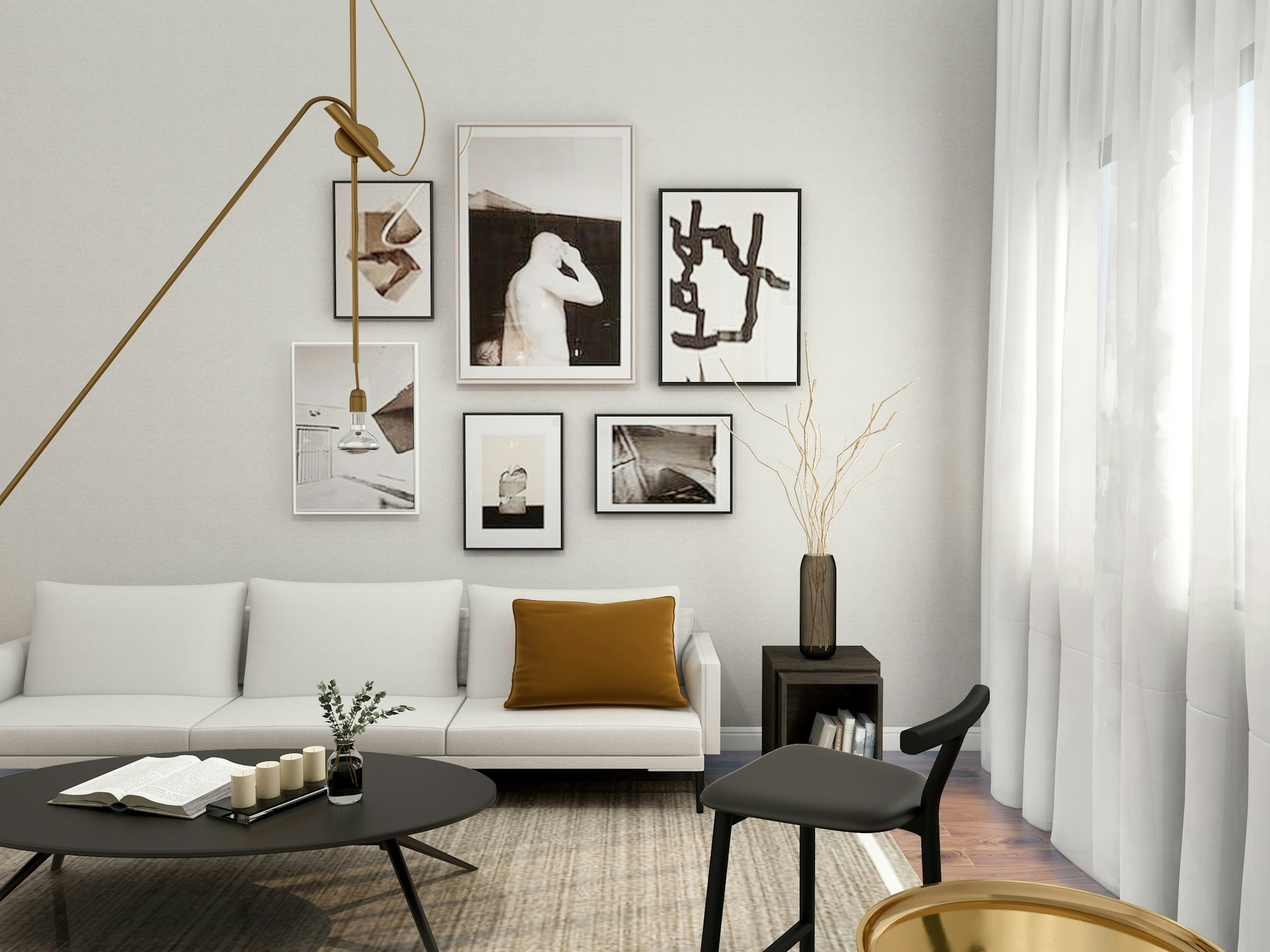
1. Replace the Five Bulbs You Use Most
Start with the lights that are on every day: kitchen ceiling, bathroom vanity, entryway, desk lamp, bedroom lamp, garage fixture, or porch light. Replacing rarely used bulbs first feels productive, but it does not change your daily experience or energy use much.
A pack of quality LED bulbs usually costs $10 to $25. For the best result, match three specs before buying:
Shape and base: A19 with E26 base is standard for many lamps, but recessed cans may need BR30 or PAR bulbs.
Brightness: Compare lumens, not watts. Around 800 lumens replaces a classic 60W incandescent feel.
Color temperature: 2700K to 3000K feels warm and residential. 4000K is cleaner for garages and work areas.
Do not mix random color temperatures in the same room. One 5000K daylight bulb next to two warm 2700K bulbs makes a room feel accidental. If you want the home to look more expensive fast, make each room consistent.
For a full room-by-room plan, see our [complete LED lighting guide for every room](/blog/complete-guide-led-lighting-every-room).
2. Add Under-Cabinet LED Task Lighting
If your kitchen has one ceiling light and dark counters, under-cabinet lighting is the highest-impact project on this list. It puts light exactly where you chop, measure, read labels, and clean.
Budget options include plug-in LED bars, rechargeable magnetic lights, and adhesive LED strips. Plug-in bars are usually the most reliable because they do not depend on tiny batteries and they create a cleaner beam than bare strip tape.
Before buying, measure each cabinet run and check where the outlet is. If the outlet is far away, include cable clips or a paintable raceway in the budget. The difference between a DIY project that looks finished and one that looks temporary is often cable management.
Best specs for kitchens:
- 3000K for warm kitchens, 3500K to 4000K for a cleaner task-light look
- 90+ CRI if possible, because food and countertops look better
- Diffused lens or frosted cover to reduce visible LED dots
- Inline dimmer if you want the lights to double as evening ambient lighting
If you are deciding between strips and bars, our [under-cabinet LED DIY installation guide](/blog/under-cabinet-led-lighting-diy-installation-2026) breaks down the tradeoffs.
3. Upgrade One Lamp With a Smart Dimmable Bulb
A single smart bulb can change how a bedroom, nursery, or living room feels. You can set a warm evening scene, dim without installing a wall dimmer, and schedule the light to fade on in the morning.
The budget mistake is buying a color-changing bulb for every lamp when you only needed one excellent dimmable warm-white bulb. Put the first smart bulb where you actually change brightness often: bedside lamp, reading chair, nursery lamp, or living room corner.
Look for:
- Smooth dimming down to very low brightness
- 2700K warm white or tunable white range
- No hub required if you want the simplest setup
- Matter support if you are building a long-term smart home system
If the bulb flickers, disconnects, or looks harsh at low brightness, return it. The [IEEE](https://standards.ieee.org/ieee/1789/6180/) has published recommended practices around LED flicker and temporal light modulation because poor dimming can affect comfort for some people. You do not need to test like a lab, but you should trust your eyes: if low brightness feels uncomfortable, use a better bulb or a different dimming method.
For budget smart options, see our guide to the [best budget smart LED bulbs](/blog/best-budget-smart-led-bulbs-2026).
4. Install Bias Lighting Behind the TV
TV bias lighting is one of the cheapest upgrades that actually feels premium. A soft LED glow behind the screen reduces the contrast between a bright TV and a dark wall, which can make evening viewing more comfortable. It also makes the room look more intentional.
For most TVs, a USB-powered LED strip is enough. The strip turns on with the TV, uses little power, and hides behind the panel. Choose warm white or adjustable white instead of cheap RGB if your goal is comfort rather than party lighting.
Install tips:
- Clean the back of the TV before sticking the strip down
- Keep the strip 1 to 2 inches from the screen edge for even glow
- Hide the controller and route cable along existing TV wires
- Avoid pointing bare LEDs toward seating
A $15 strip can look good if it is hidden. A $60 strip can look cheap if the dots are visible and wires hang below the TV.
5. Fix the Bathroom Vanity Bulbs
Bathrooms often have the worst lighting in the house: dim yellow bulbs, mismatched brightness, or harsh blue-white LEDs that make skin look gray. For under $40, you can usually replace every vanity bulb with consistent high-CRI LEDs.
Choose frosted bulbs to reduce glare. For most homes, 3000K is a safe bathroom temperature because it feels clean without looking clinical. If the bathroom has no natural light and is used for grooming, 3500K can work well.
Avoid oversized bulbs that stick past the shade or globe. Check the fixture rating and bulb shape before ordering. Also check whether the fixture is enclosed. Some LEDs are not rated for enclosed fixtures because heat buildup can shorten life.
6. Add Motion-Sensor LEDs to Closets, Pantry, and Stairs
Small dark spaces do not need expensive wiring. Battery or rechargeable motion-sensor LED lights are perfect for closets, pantries, linen cabinets, under sinks, stair landings, and utility corners.
This is not about luxury. It is about removing daily friction. A $20 motion light in a pantry means you stop using your phone flashlight. A stair light improves nighttime safety. A closet light helps you see colors accurately before you leave the house.
Buy fewer, better units instead of a giant pack of weak lights. Look for USB-C charging, magnetic mounting plates, and a manual-on option. If the light will be triggered many times a day, plug-in or hardwired is better than rechargeable.
7. Replace One Outdoor Security Bulb
A porch, side-yard, or garage exterior bulb is a smart place for an LED upgrade because it may run many hours. Choose an outdoor-rated LED bulb or integrated fixture with the right brightness and beam spread.
For security lighting, brighter is not always better. A blinding bare bulb creates glare and harsh shadows. A shielded fixture with controlled output is more useful than a huge blue-white floodlight aimed at the neighbor's window.
Good starting specs:
- 800 to 1600 lumens depending on mounting height and area size
- 3000K to 4000K for residential exterior lighting
- Wet-location rating if exposed to rain
- Motion sensor or dusk-to-dawn control if the fixture supports it
DOE guidance on efficient lighting emphasizes both energy savings and proper product selection. Outdoor lights need the right rating, not just the right wattage replacement.
How to Avoid Wasting the $100
Before ordering anything, make a quick lighting audit. Walk through the home at night and write down the three most annoying lighting problems. Do not start with products. Start with problems.
Common examples:
- Kitchen counters are shadowed
- Bedroom lamp is too bright at night
- Garage has dark workbench corners
- Bathroom mirror light makes faces look bad
- TV wall feels harsh in a dark room
- Porch light wastes energy but still does not improve visibility
Then spend the budget on one or two upgrades that solve those problems completely. Ten tiny changes usually feel weaker than one finished project.
Best $100 Upgrade Combinations
If you want a simple shopping plan, use one of these:
Kitchen-first plan: under-cabinet LED bars, cable raceway, and two high-CRI ceiling bulbs.
Bedroom comfort plan: one smart dimmable bulb, two warm LED lamp bulbs, and low-output motion light for the closet.
Garage utility plan: two bright LED shop lights or garage bulbs plus a motion light near storage.
Rental-friendly plan: plug-in under-cabinet light, TV bias strip, and rechargeable closet lights. No permanent wiring.
Energy-savings plan: replace the five longest-running incandescent or halogen bulbs with ENERGY STAR certified LEDs.
The Bottom Line
The best budget LED upgrade is not the cheapest bulb or the flashiest strip. It is the project that fixes a real daily annoyance while using the right brightness, color temperature, compatibility, and installation method.
Start with the room you use most. Keep color temperature consistent. Hide cables. Use dimming where brightness changes during the day. And spend a few extra dollars on bulbs and drivers that feel comfortable instead of harsh.
A $100 lighting budget is enough to make a home look cleaner, calmer, and more functional if every dollar has a job.
---
Frequently Asked Questions
What are the easiest budget LED upgrade ideas for beginners?
The easiest projects are replacing high-use bulbs, adding plug-in under-cabinet lights, installing TV bias lighting, and using motion-sensor LEDs in closets or pantries. These require little or no wiring.
How do I verify bulb size and compatibility before installing LEDs?
Check the base type, bulb shape, fixture wattage limit, enclosed-fixture rating, dimmer compatibility, and wet-location rating if used outdoors or in damp spaces. Match lumens for brightness instead of matching old wattage.
Which LED projects offer the best visual improvement per dollar?
Under-cabinet kitchen lighting, bathroom vanity bulb replacement, TV bias lighting, and consistent warm bulbs in living areas usually create the biggest visible improvement for the lowest cost.
Are cheap LED bulbs worth buying?
Some are fine, but avoid bulbs with poor dimming, unknown color temperature, low CRI for task areas, or no safety listing. For lights used daily, ENERGY STAR certified bulbs are usually worth the small premium.